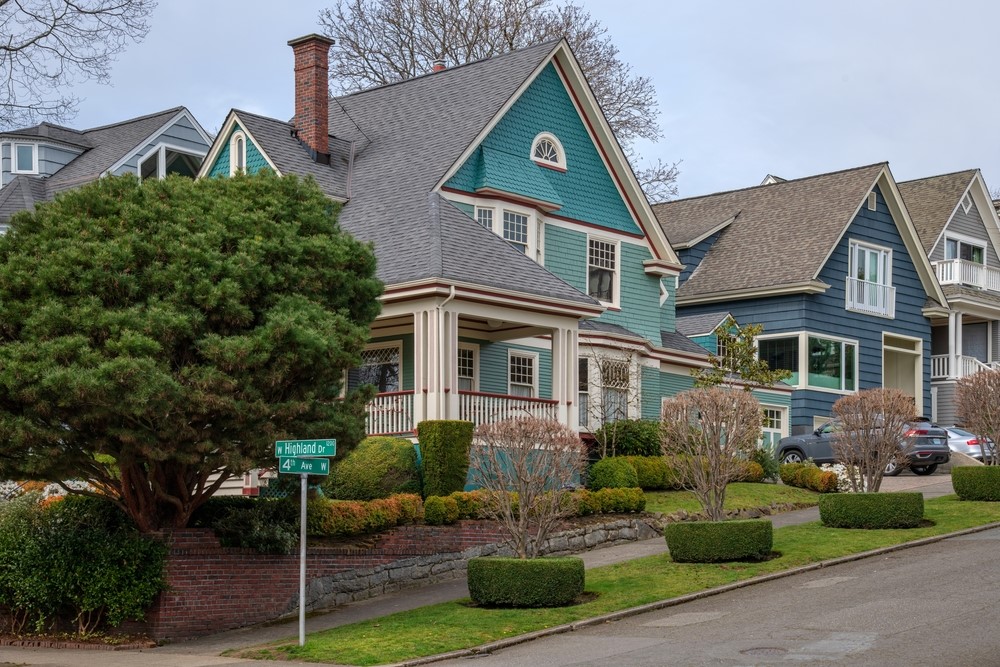
Are you wondering about the condition of your roof in North Tacoma? There are many factors that can indicate which types of issues your roofing system may be most susceptible to, such as climate. Here in the Pacific Northwest, the constant humidity can lead to moisture-related issues, like mold or rot.
The time period in which your home was built can also give insight into the sorts of roofing problems you may face from time to time. Below, our team at State Roofing & Exteriors, a leading roofing company in the region, discusses the most common roofing issues experienced by North Tacoma homes built between 1990 and the early 2000s.
Worn-Out Asphalt Shingles
In the 1990s and early 2000s, many homes throughout the nation were constructed with asphalt shingle roofing systems, which are still one of the most popular options today. Asphalt shingles typically see lifespans of 15—30 years, with some premium options sometimes reaching a bit longer, such as 40 years.
Any homes built during this time period that still have original roofs, now somewhere between 20—35 years old, will likely see their asphalt shingles start wearing out soon, which could include:
- Cracked Shingles
- Bruised Shingles
- Curled Shingles
- Buckled Shingles
- Missing Shingles
- Bald Shingles
Inadequate Attic Ventilation
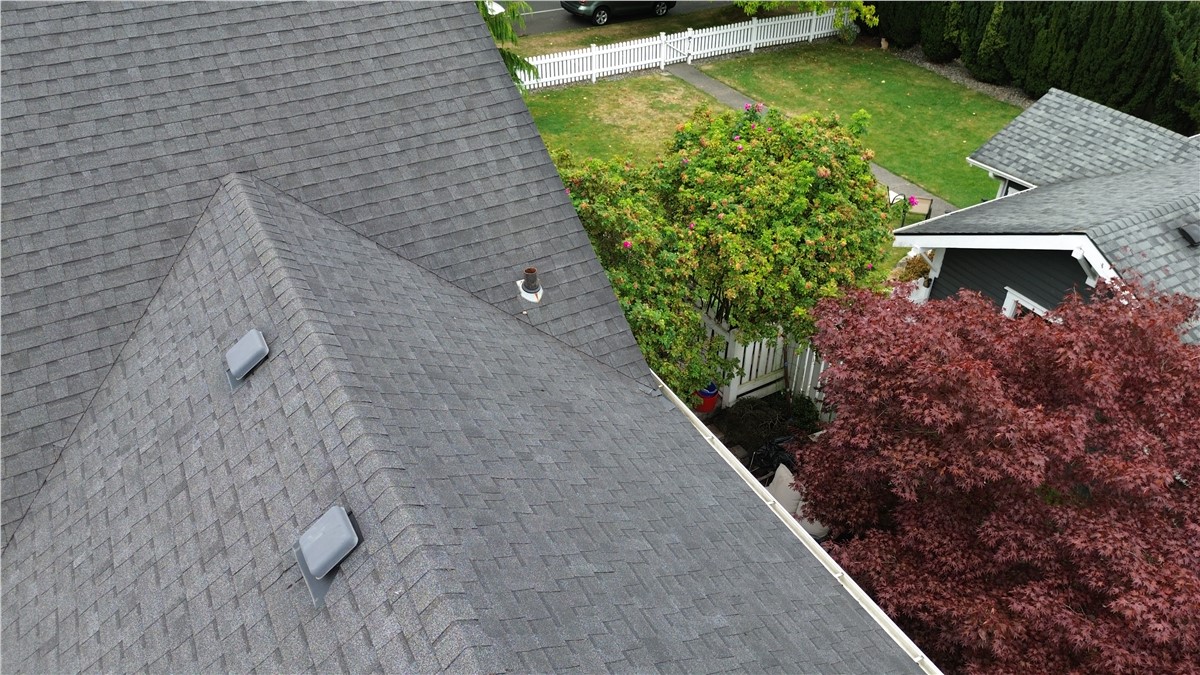
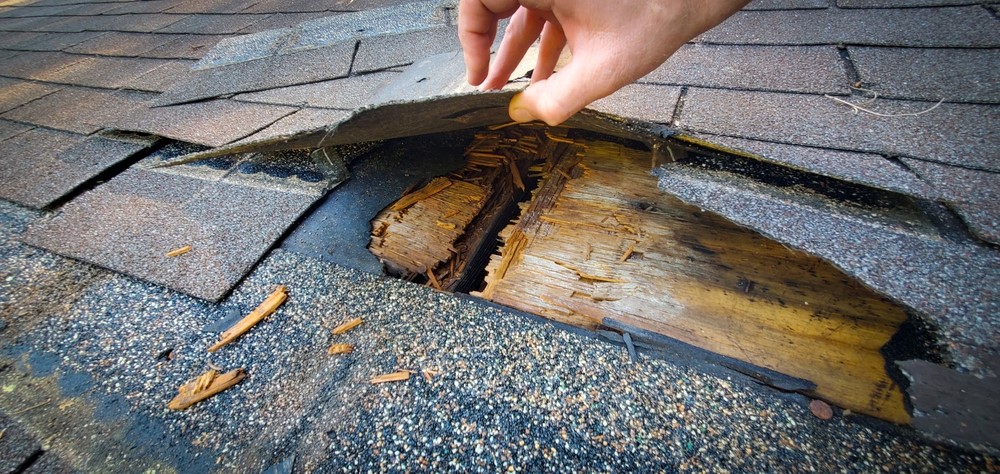
Most homes built in the 1990s and early 2000s feature box or gable vents, which are square-shaped and protrude from the roof slope, usually on the rear side. These vents are localized and tend to be much less efficient than ridge vents, which are more commonly installed today.
Because box vents can't offer continuous airflow like ridge vents, homes with these outdated devices will be more susceptible to experiencing poor ventilation, which could lead to more serious issues, such as:
- Premature Shingle Breakdown
- Mold and Mildew Growth
- Rotted Decking and Rafters
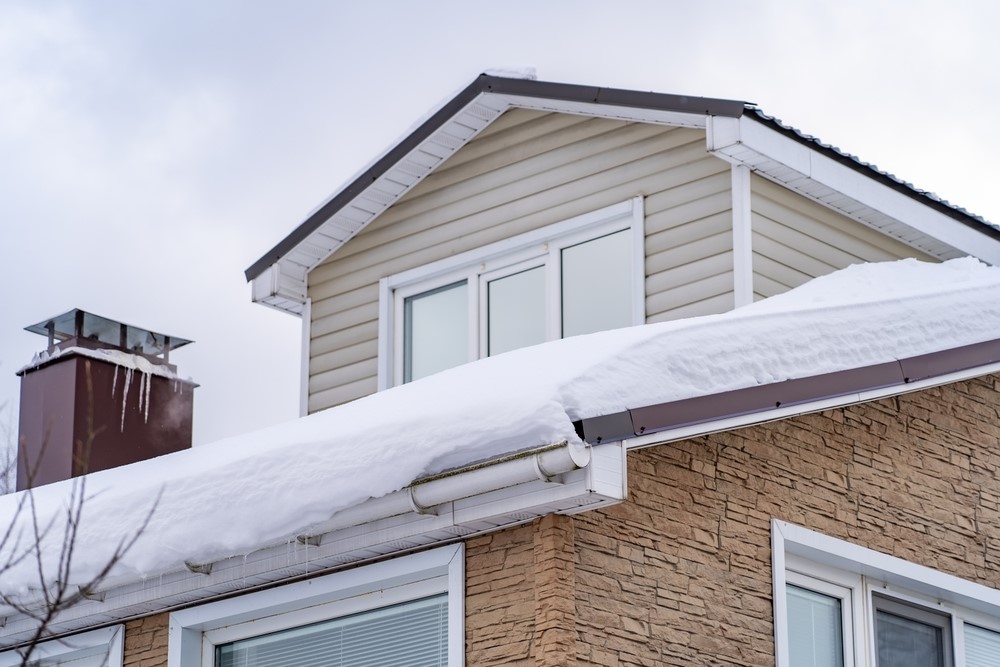
- Ice Dams During the Winter
- Increased Energy Bills
Excessive Moss and Algae
As roofs age, they become more likely to experience moss, algae, or other vegetation growth from time to time. In many areas of the nation, occasional moss and algae growth can be taken care of by gently scrubbing the fungi away, but in North Tacoma and the rest of the Pacific Northwest, it may not be that simple.
Moss, algae, and other unwanted organisms can grow abundantly on roofs in our region thanks to the constant dampness and overcast skies. Moisture can become trapped below the fuzzy green fungi if left unattended, leading to shingle damage, rotted wood, and other issues.
Failing Sealants or Flashing
Virtually every roofing system constructed utilizes flashing, a thin strip of metal, around areas like chimneys and vents, which are typically the weaker points on roofs where water can get through. Flashing starts to wear out after a couple of decades, so North Tacoma homes built in the 1990s and early 2000s may start experiencing flashing failure in the near future.
No matter what type of roofing issue you're experiencing, our crew at State Roofing & Exteriors is ready to step in and take the lead. We begin our roof repairs with a thorough inspection to make sure all signs of damage are addressed during our service. And when your roof reaches the end of its natural lifecycle, our experts can provide you with a professional-grade new roof installation. Reach out to our team today to learn even more and to receive a free price estimate on any of our roofing solutions.
Subscribe to State Roofing & Exteriors's Blog




Comments