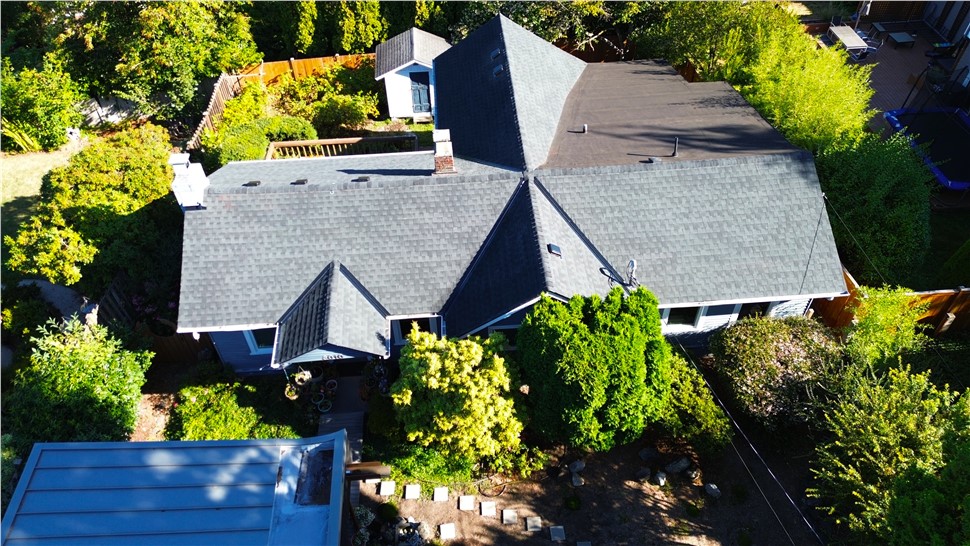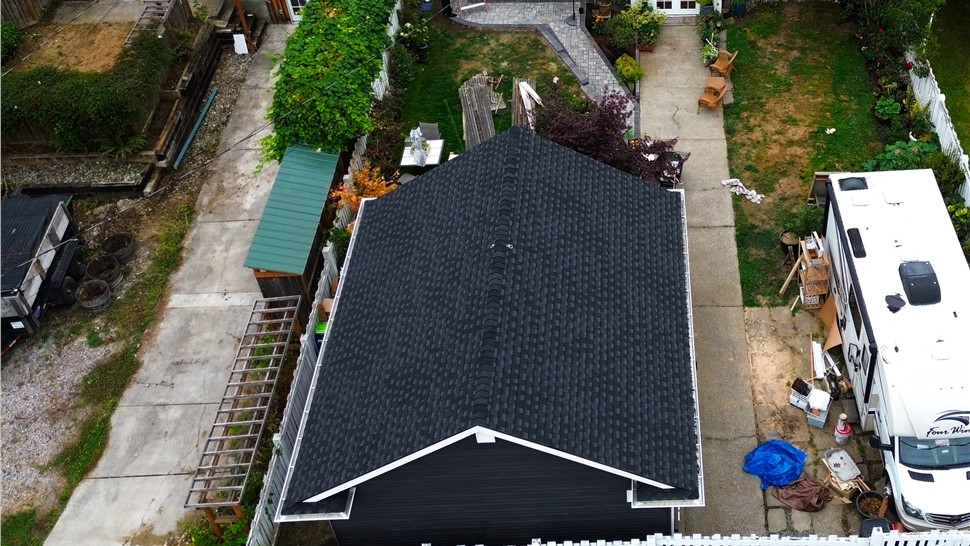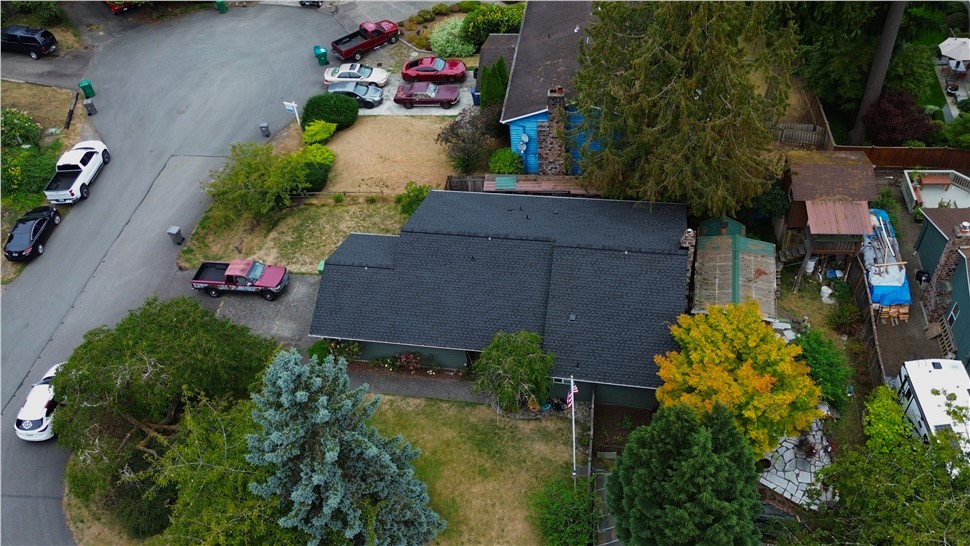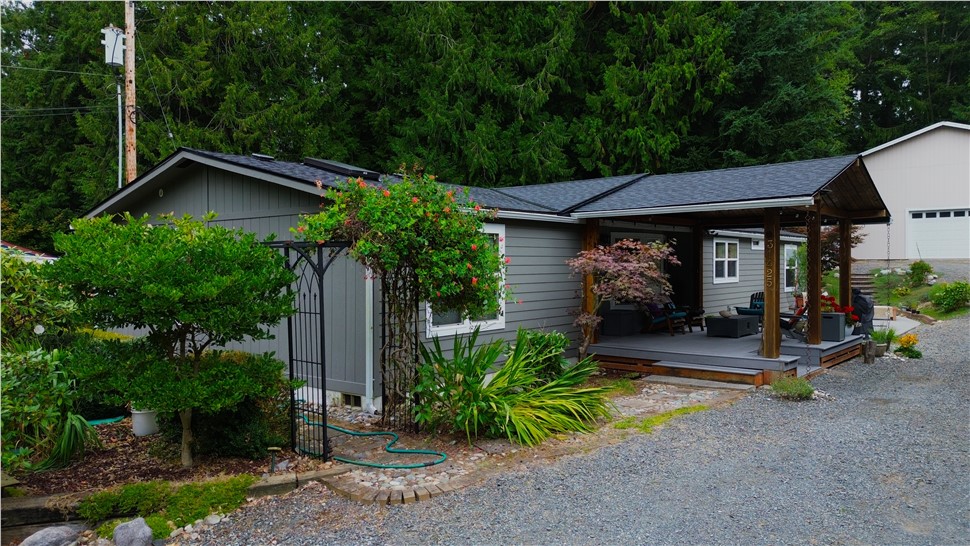
A roof replacement in Seattle has to do more than look finished from the street. It needs to manage months of rain, wind-driven moisture, shaded roof planes, organic debris, flashing transitions, attic ventilation, and the drainage demands that come with Western Washington weather. State Roofing & Exteriors has served the Pacific Northwest since 1968, and our replacement process is built around the full roofing system rather than shingles alone. If you are comparing contractors, start by understanding the condition of your deck, the right material for your home, the scope included in the estimate, and the permit or code considerations that apply to your property.
Homeowners throughout Seattle and the greater Puget Sound region can use this page as a planning guide before requesting a proposal. For a broader look at all residential services, visit our roofing services page. If your roof may still be repairable, compare your options on our roof repair page before deciding on full replacement.
When Is a Roof Replacement the Better Choice?
Not every leak means a roof has reached the end of its useful life. A localized flashing problem, a small wind-damaged section, or an isolated penetration issue may be a reasonable repair candidate. Replacement becomes more compelling when problems are widespread, the roof has recurring leaks, shingles are losing integrity across multiple slopes, the deck has moisture damage, or repeated repairs are buying less and less time.
Age matters, but it should not be the only decision point. Seattle roofs can age at different rates because of tree cover, roof pitch, ventilation, exposure, previous workmanship, and how quickly gutters move water away from the eaves. A south-facing open roof can experience a different wear pattern than a shaded roof under evergreens only a few blocks away. That is why an inspection should look at the system as a whole, including the roof covering, flashings, valleys, penetrations, ventilation, sheathing, and visible attic conditions.
- Recurring leaks: Water returns after multiple repairs or appears in more than one area.
- Widespread shingle deterioration: Curling, cracking, granule loss, exposed mat, or missing material appears across multiple roof planes.
- Soft or damaged decking: Moisture has affected the wood substrate beneath the finished roofing.
- Persistent moss and debris issues: Growth or trapped debris is accelerating wear, especially on shaded slopes.
- Major exterior remodeling: A new roof may be easier to coordinate with new gutters, fascia work, skylight changes, or attic insulation.
- Storm damage: Wind, falling branches, or other events have caused damage that should be evaluated through our storm damage services.
Why Puget Sound Roofs Need a Moisture-First Replacement Plan
Seattle does not need tropical rainfall to create roofing problems. The challenge is sustained wet weather, long periods with limited drying, cool shaded surfaces, and repeated wet-dry cycles. Water has to shed cleanly from every slope and transition, while the assembly below the roof covering needs an appropriate path for ventilation and drying. Small workmanship problems at valleys, sidewalls, chimneys, skylights, plumbing vents, and roof-to-wall intersections can become expensive when they are repeatedly exposed to moisture.
A strong replacement plan therefore starts below the visible material. Underlayment, flashing details, drip edges, intake and exhaust ventilation, starter courses, penetrations, and the condition of the roof deck all matter. Homes in Ballard, Green Lake, West Seattle, Magnolia, Queen Anne, Beacon Hill, and other Seattle neighborhoods also vary widely in age and architecture, so the replacement scope should reflect the actual house instead of a one-size-fits-all package.
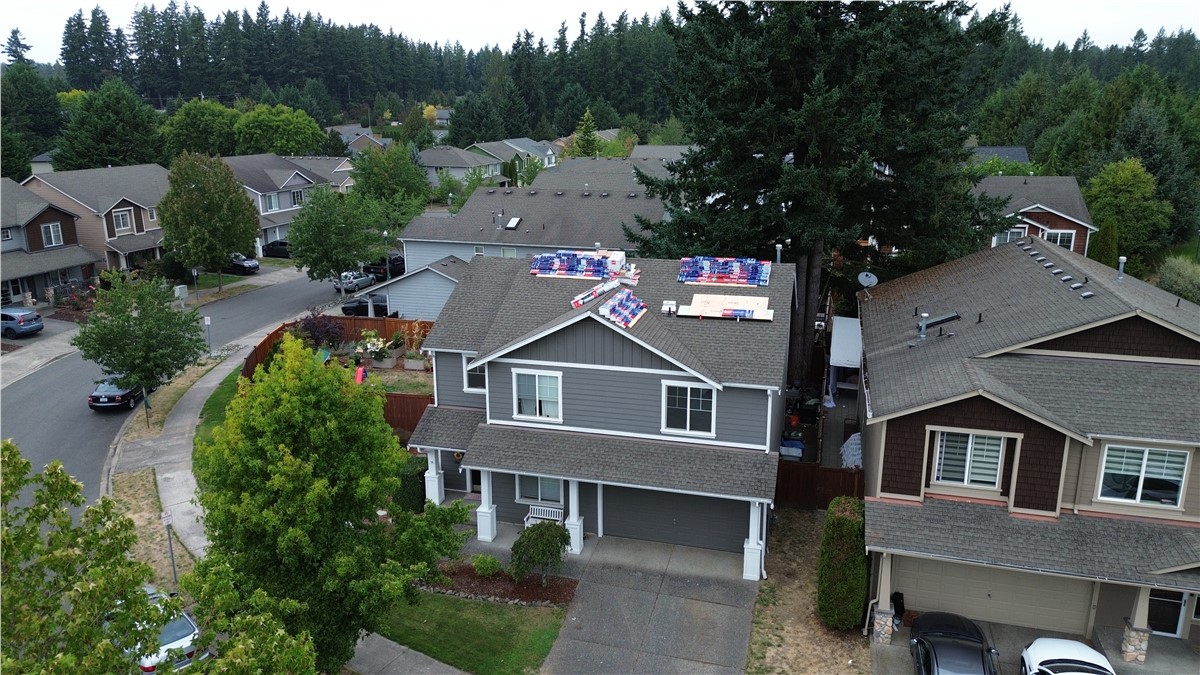
Tree cover is another local variable. Needles, leaves, cones, and small branches can slow drainage and hold moisture against roofing surfaces. If your home sits under mature trees, roof design and maintenance should account for valleys, gutter capacity, downspout flow, and safe debris removal. Our gutter replacement services can be coordinated with roofing when the drainage system is undersized, damaged, or nearing the end of its life.
How Much Does Roof Replacement Cost in Seattle?
There is no responsible flat price for a Seattle roof replacement without measuring the roof and evaluating the existing assembly. Roof area, pitch, number of layers, material choice, access, valleys and dormers, chimney and skylight details, ventilation changes, disposal, and hidden sheathing repairs can all change the final scope. For a detailed 2026 planning guide, see our Seattle roof replacement cost page.
A useful estimate should identify what is included, what is an allowance, and what conditions could trigger a change in price after tear-off.
Roofing Materials That Make Sense for Seattle Homes
Composition and Asphalt Shingles
Composition roofing remains a practical choice for many Puget Sound homes because it offers broad style options, proven installation systems, and multiple performance tiers. State Roofing & Exteriors installs products from established manufacturers and maintains manufacturer certifications. Explore our composition roofing options, including GAF roofing systems and Malarkey roofing, when comparing color, profile, warranty eligibility, and weather performance.
Metal and Standing Seam Roofing
Metal can be a strong long-term option for homeowners who want a durable roof with a clean architectural profile. Standing seam systems use raised seams and concealed fasteners, which can be advantageous when detailed and installed correctly for wet climates. Compare our metal roofing and standing seam roofing pages if longevity, low maintenance, and a modern appearance are priorities.
Low-Slope and Specialty Roof Areas
Some Seattle homes combine steep-slope roofing with porch roofs, additions, dormers, or low-slope sections. Those areas should not automatically receive the same material as the main roof. Review our flat and low-slope roofing options for assemblies designed around drainage and waterproofing on lower pitches.
What Should a Complete Roof Replacement Estimate Include?
A detailed proposal should make it easier to compare contractors on scope instead of comparing only the total at the bottom of the page. Ask how the contractor will handle tear-off, disposal, decking, underlayment, ventilation, flashing, penetrations, edge metal, manufacturer components, cleanup, and warranty documentation. If a line item is not clear, ask what is included before signing.
- Site protection: Planning for landscaping, siding, windows, driveways, decks, and pedestrian areas around the home.
- Tear-off and disposal: Removal of existing roofing as required by the selected system and project scope.
- Deck inspection: Evaluation of exposed sheathing after removal, with a defined process for documenting damaged material.
- Water-shedding layers: Underlayment and flashing components selected for the roof design and manufacturer requirements.
- Ventilation review: Coordination of intake and exhaust ventilation when the existing attic system needs correction.
- Roof covering: Manufacturer-approved installation of the selected shingles, metal, composite, or low-slope material.
- Drainage: Review of roof-to-gutter transitions and opportunities to coordinate gutter work.
- Cleanup and closeout: Debris removal, property cleanup, final quality review, and delivery of applicable warranty information.
Seattle Re-Roof Permits and Energy-Code Considerations
Permit requirements depend on the building type and the exact work being performed. The Seattle Department of Construction and Inspections states that re-roof work at one- and two-family homes and townhouses can be exempt from a re-roof permit when the project does not change the building envelope other than insulation and replacement insulation is equivalent to or better than the existing condition. Commercial and multifamily work has different rules, and work that changes the building envelope can require a construction permit.
Permit guidance can change and special conditions can apply to individual properties. The right approach is to confirm the current requirement for the specific address and scope before work begins. This is also a reason to discuss insulation and ventilation early. Opening roof cavities or changing the assembly may introduce code considerations that would not apply to a simple like-for-like replacement.
Our Roof Replacement Process
- Inspect and document the existing roof. We review visible wear, leak history, roof geometry, drainage, penetrations, and conditions that may affect the replacement plan.
- Build a scope around the house. Material, ventilation, flashing, accessories, tear-off, and potential deck repairs are discussed before installation.
- Confirm material and project details. Color, manufacturer system, site access, scheduling, protection, and permit considerations are coordinated.
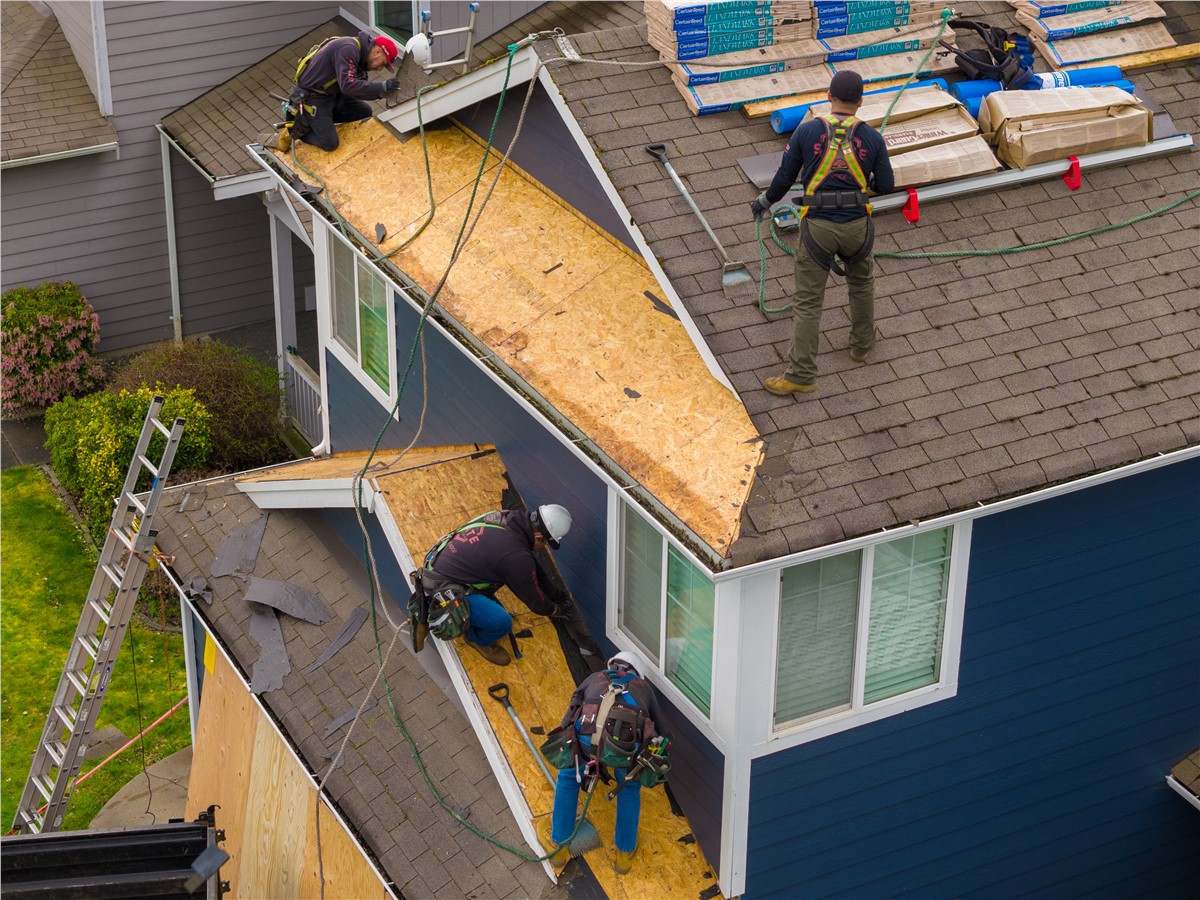
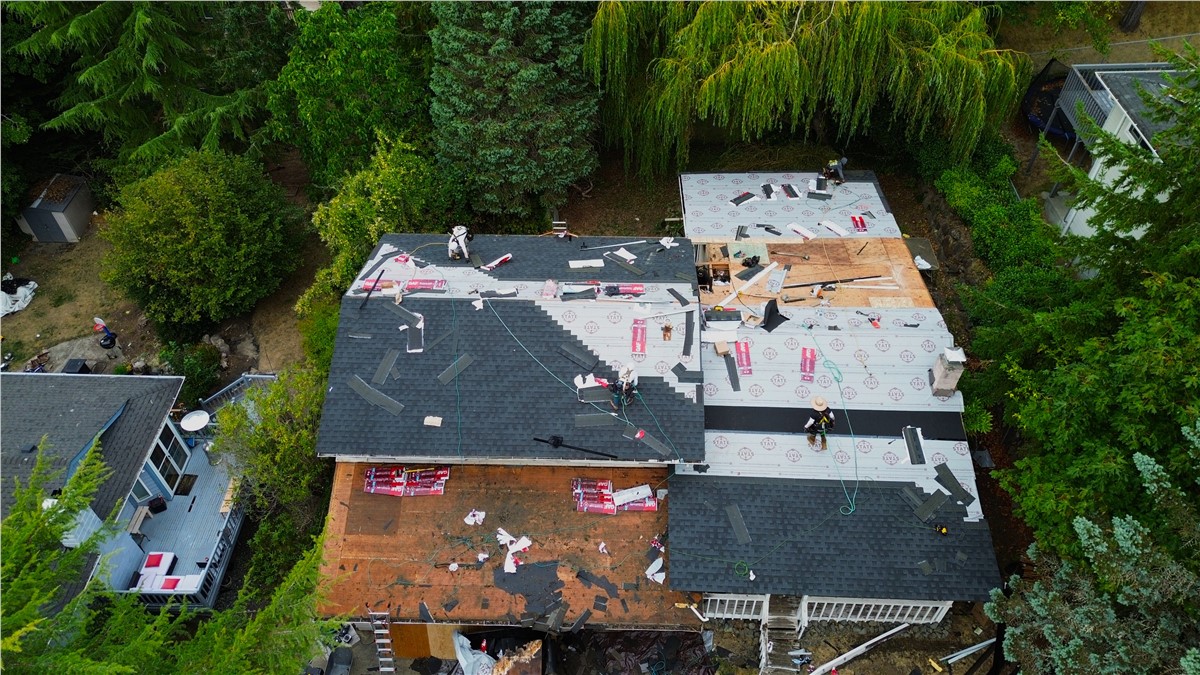
- Remove the old roof and evaluate the deck. Tear-off exposes conditions that cannot be fully verified from the surface. Any necessary changes should be documented clearly.
- Install the complete roofing system. Underlayment, flashings, ventilation components, field material, ridges, and penetrations are completed as required by the system.
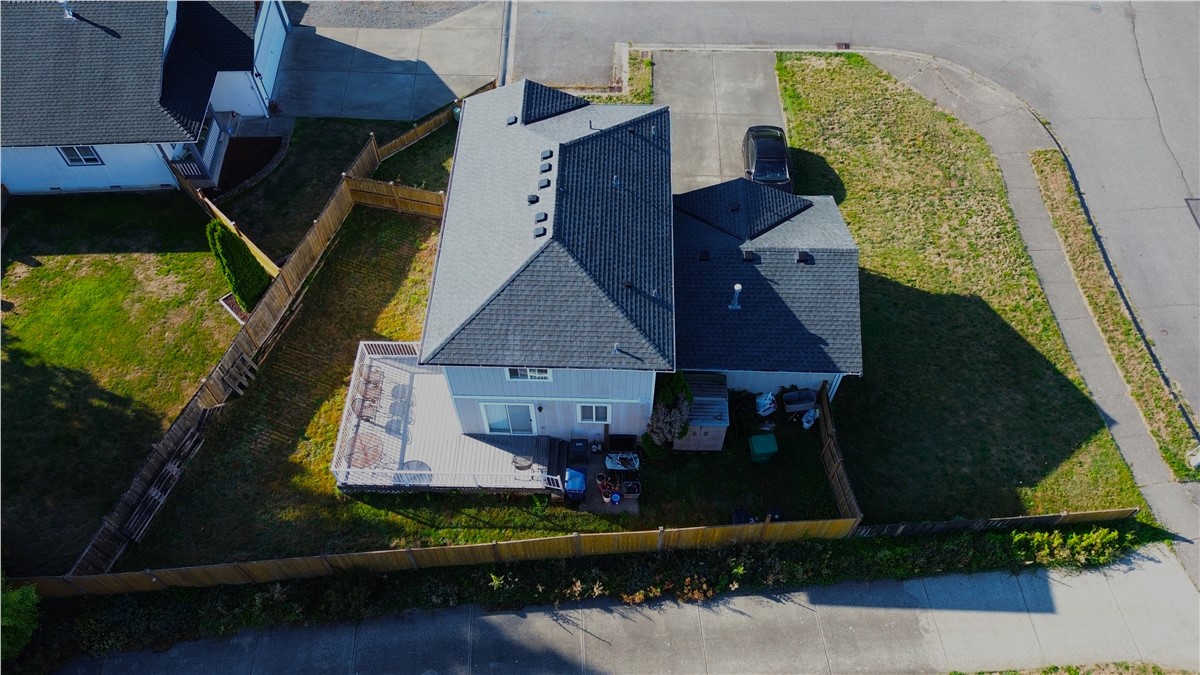
- Clean, review, and close out the project. The property is cleaned and the finished roof is reviewed before warranty and care information is finalized.
Roof Replacement Planning by Seattle Home Type and Neighborhood
Seattle housing is too varied for generic roof replacement copy. A compact bungalow in Green Lake or Wallingford may have a relatively straightforward roof area but mature-tree exposure. A Queen Anne or Magnolia home may have steeper slopes, multiple roof intersections, dormers, or limited staging space. West Seattle homes can include exposed sites where wind-driven rain deserves added attention at edges and wall transitions. Ballard and Fremont properties can combine older roof framing with later additions that create multiple slopes and flashing details.
None of those neighborhood names determines the right material by itself. They do, however, illustrate why roof geometry, access, tree canopy, slope, attic configuration, and previous alterations should be documented before a price is finalized. A hyperlocal estimate should describe the actual home, not just the ZIP code.
Do Not Ignore the Attic, Gutters, and Exterior Around the Roof
Roof performance is connected to other parts of the building envelope. Poor attic ventilation can trap heat and moisture. Missing or compressed insulation can affect comfort. Overflowing gutters can keep fascia and eaves wet. Storm damage can affect roof coverings and adjacent exterior components at the same time. During planning, consider whether it makes sense to coordinate attic insulation, gutters, or wind damage repairs rather than treating each issue as unrelated.
Roof Replacement FAQs
How long does a roof replacement take in Seattle?
State Roofing & Exteriors notes in its current roofing FAQ that many residential replacements are completed in roughly 1 to 3 days, depending on size and complexity. Weather, steep slopes, extensive decking repair, difficult access, specialty materials, and complex roof geometry can extend the schedule.
Can a roof be replaced during Seattle's rainy months?
Roofing work can be completed in multiple seasons, but weather planning is critical. The crew needs a safe dry window for tear-off and installation activities, and the house must remain protected if weather changes. Project scheduling should account for the forecast and the amount of roof that can be safely opened at one time.
Should I repair or replace a leaking roof?
A small isolated issue may be repairable. Widespread aging, repeated leaks, damaged decking, or multiple failing areas may make replacement the better long-term decision. Start with an inspection and compare the remaining service life of the existing roof with the cost and limitations of repair.
Which roofing material is best for Seattle rain?
There is no single best material for every house. Quality composition shingles, properly designed metal systems, and appropriate low-slope membranes can all perform well when the roof is designed, flashed, ventilated, and installed correctly. The correct choice depends on slope, architecture, budget, maintenance goals, and expected service life.
How do I get a roof replacement estimate?
Schedule a site-specific evaluation through our contact page. A useful proposal should identify the selected material system, tear-off, deck-repair process, flashing, ventilation, cleanup, warranty information, and any project-specific assumptions.
Get a Roof Replacement Plan Built for Your Seattle Home
If your roof is aging, leaking, storm-damaged, or requiring increasingly frequent repairs, the next step is a site-specific evaluation. State Roofing & Exteriors can help you compare repair and replacement, review material options, understand likely cost drivers, and build a scope for the actual home. Request a free roof replacement estimate and use our 2026 cost guide to prepare your questions before the appointment.