The cost to replace a roof in Seattle depends on far more than the square footage shown on a real-estate listing. Roof surface area, pitch, number of stories, tear-off requirements, material, valleys, dormers, skylights, chimneys, ventilation, access, disposal, and the condition of the wood deck can all affect the final price. This 2026 guide gives Puget Sound homeowners a realistic framework for budgeting, while separating third-party market benchmarks from an actual State Roofing & Exteriors proposal.
For homeowners who are already confident they need a full replacement, start with our Seattle roof replacement page. If the damage appears localized, compare the economics of replacement with roof repair. The most useful budget is not a generic per-square-foot number. It is a scope that explains exactly what will be removed, installed, repaired, and warranted on your house.
Why Roof Size Is More Complicated Than Home Square Footage
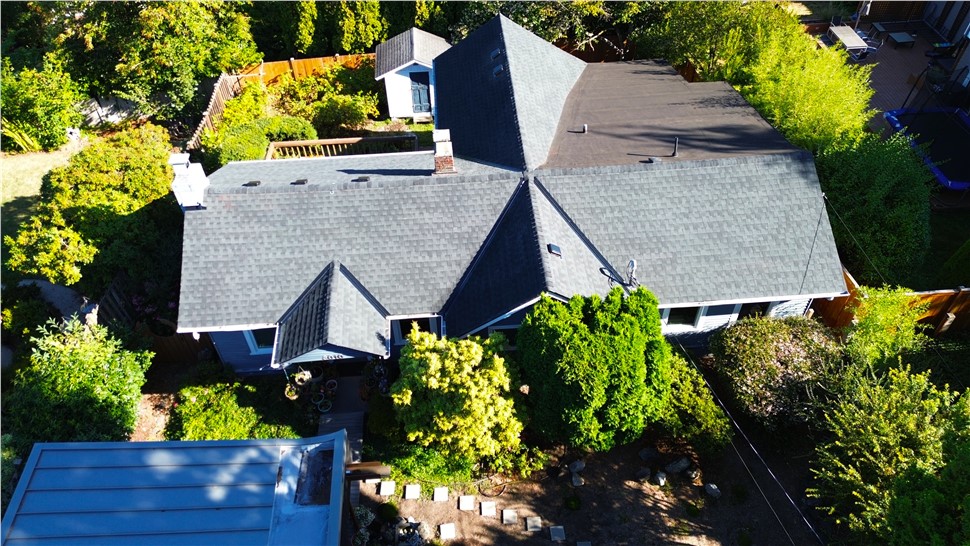
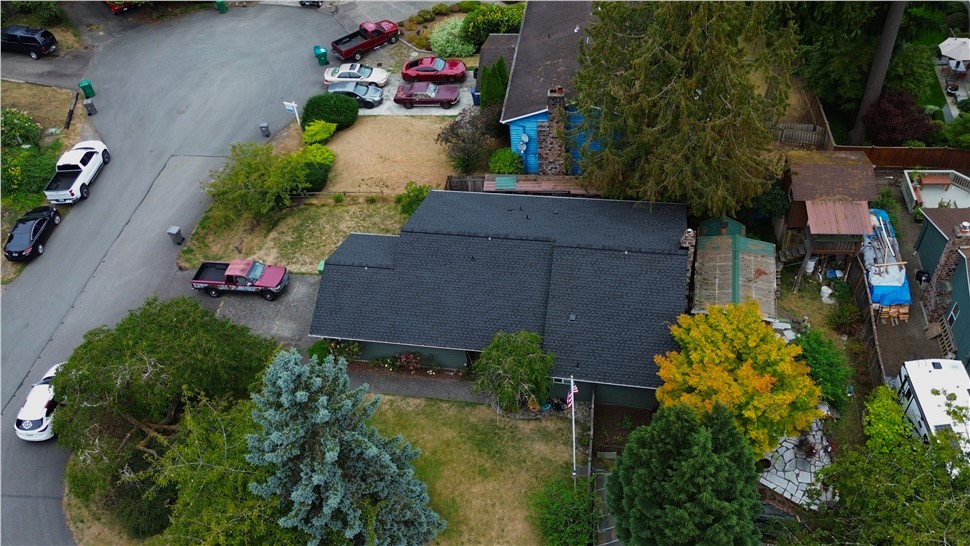
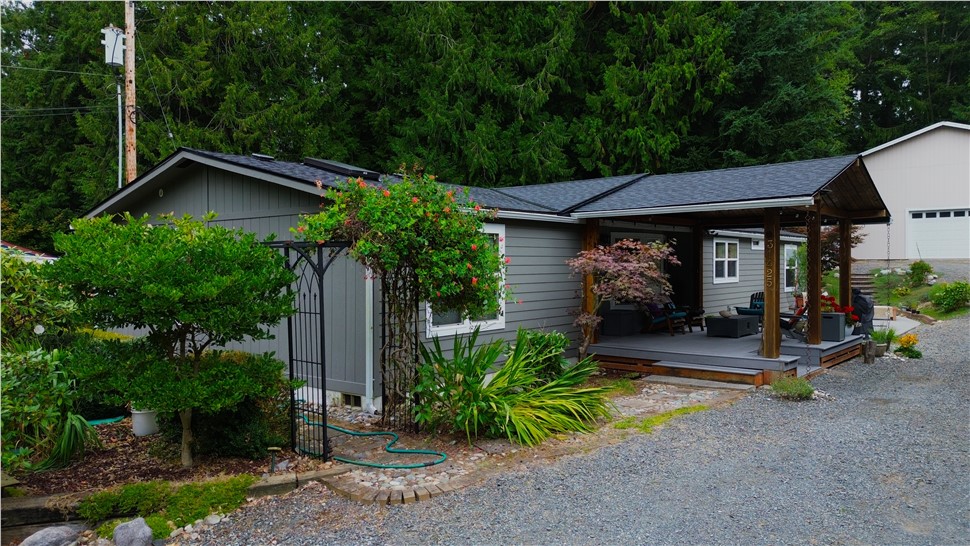
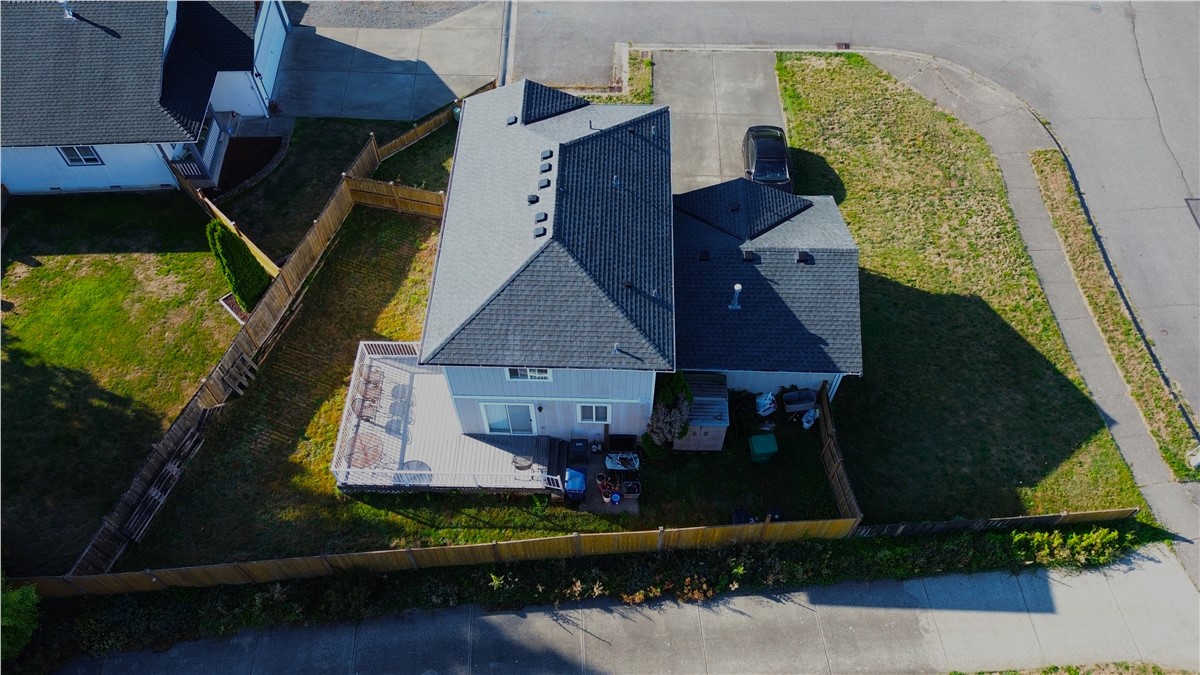
Roofing contractors price from roof area and scope, not simply from the conditioned floor space listed on a property record. A 2,000-square-foot rambler can have a large footprint and broad roof plane. A 2,000-square-foot two-story house may have a smaller footprint but steeper slopes, multiple gables, and more difficult access. Waste factors also vary because hips, valleys, dormers, angle changes, and short roof sections require more cuts and material.
This is one reason online calculators can be useful for a rough starting point but unreliable as a final budget. A measurement should be paired with an inspection that identifies roof layers, edge conditions, access, flashings, penetrations, attic ventilation, and signs of underlying moisture damage.
Roofing Material Is One of the Largest Cost Variables
Roofing material is one of the biggest factors influencing the total cost of a roof replacement. Asphalt shingles are generally one of the more budget-friendly options, while metal and other premium roofing systems typically require a larger investment. Final pricing can vary considerably based on the specific product line, roof size and complexity, labor requirements, tear-off needs, underlayment, flashing, ventilation, decking repairs, and other system components. Premium roofing systems may also require manufacturer-specific installation methods or accessories to qualify for enhanced warranty coverage, so comparing projects based only on material type can be misleading.
Composition Roofing Cost
For many Seattle-area homes, composition shingles offer the widest range of price points and design choices. Compare composition roofs, GAF products, and Malarkey roofing to understand how product lines and system components differ. The lowest shingle price is not necessarily the lowest complete project price if the roof requires significant deck repair, complex flashing, or ventilation corrections.
Metal and Standing Seam Roof Cost
Metal roofing typically requires a higher upfront investment than asphalt shingles, but many homeowners choose it for its long service life, durability, low-maintenance performance, and distinctive architectural appearance. The final cost of a metal or standing seam roof can vary based on the size and complexity of the roof, the type and gauge of metal selected, panel style, existing roof removal, decking condition, flashing details, ventilation requirements, and overall installation complexity. Standing seam systems may command a higher investment because of their specialized panels, concealed fasteners, and installation requirements. Explore our metal roof and standing seam options for more information about each roofing system.
Tear-Off, Disposal, and Existing Roof Layers
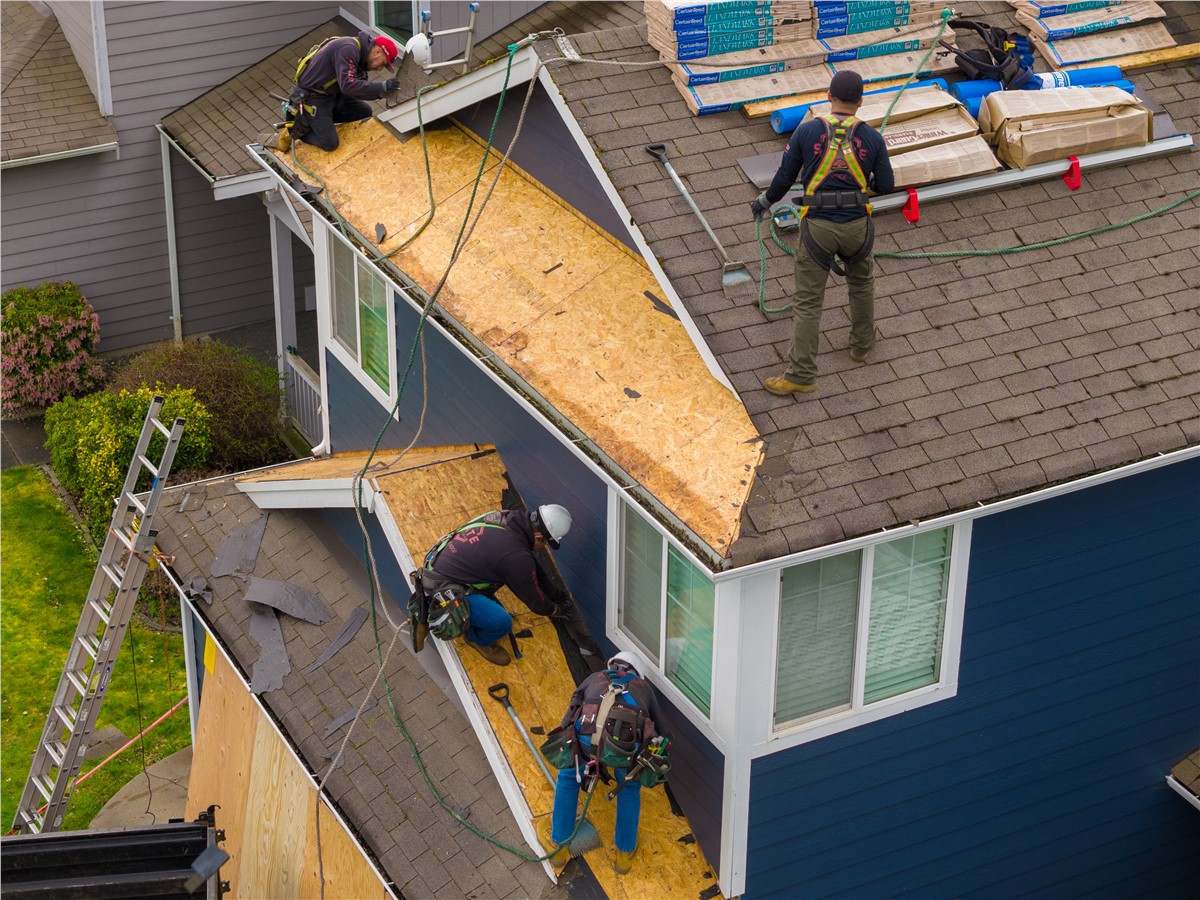
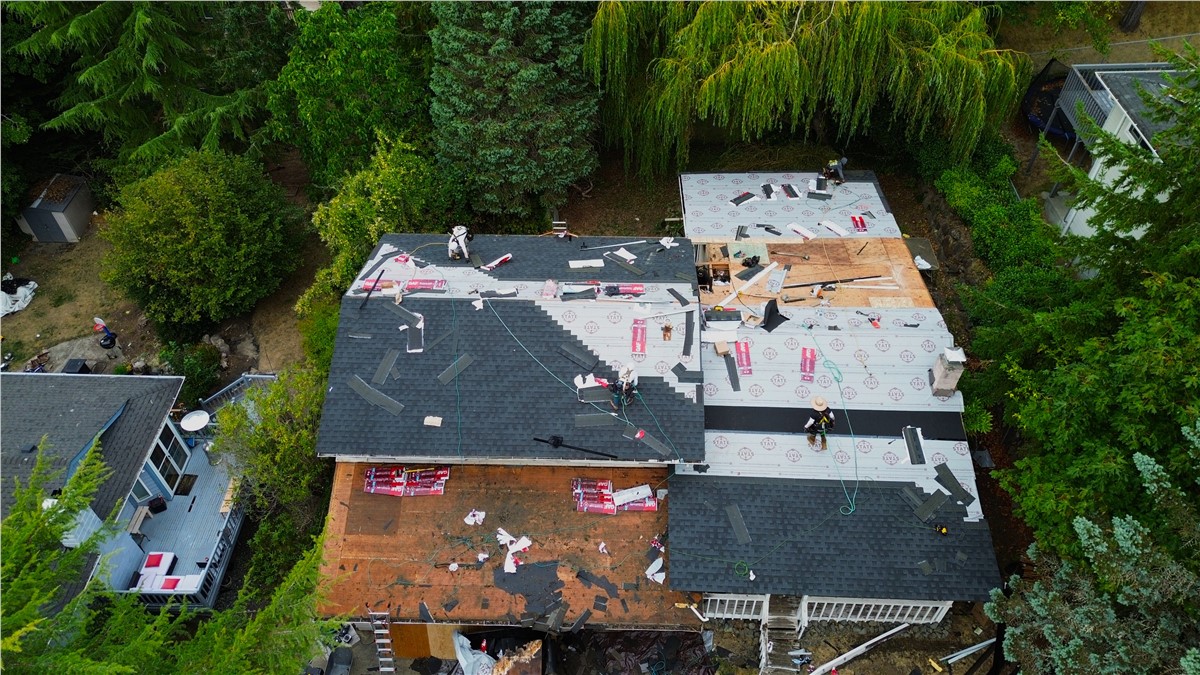
Removing the old roof adds labor, disposal, site protection, and hauling. Angi reports Seattle roof removal at about $1 to $5 per square foot as a general 2026 benchmark. Actual cost depends on the number and type of existing layers, roof access, dump logistics, steepness, and the material being removed. A contractor should explain whether tear-off and disposal are included in the base proposal.
Roof-over or recover strategies can sound cheaper because they avoid removal, but they are not appropriate for every system or every existing roof. They can also make it harder to inspect the deck. Local permit rules vary by city and by scope. For example, Tacoma states that adding another layer to existing roofing requires a pre-roof inspection and permit, while a same-type remove-and-replace can be permit-exempt under the city's published guidance. Always verify current requirements for the project address.
Decking and Sheathing Repairs Can Change the Final Price
The condition of the roof deck is often one of the biggest unknowns in a roof replacement project because much of it cannot be fully evaluated until the existing roofing materials are removed. If the underlying sheathing is soft, rotted, delaminated, water-damaged, or otherwise unable to provide a secure installation surface, repairs or replacement may be necessary before the new roofing system can be installed. The amount of required decking work can have a meaningful impact on the final project cost.
Before work begins, homeowners should understand how potential deck repairs will be handled. Ask whether any decking replacement is included in the proposal, how additional materials and labor are priced, how damaged areas will be documented, and when homeowner authorization is required. This is especially important throughout Seattle and the greater Puget Sound region, where persistent moisture, previous roof leaks, inadequate ventilation, and condensation can sometimes damage roof decking without creating obvious warning signs from the exterior.
Roof Complexity and Access Affect Labor
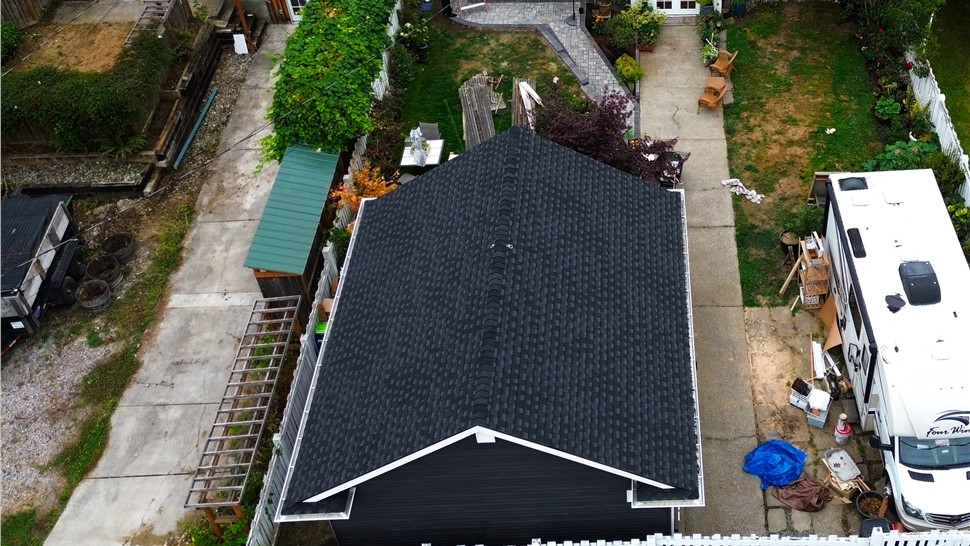
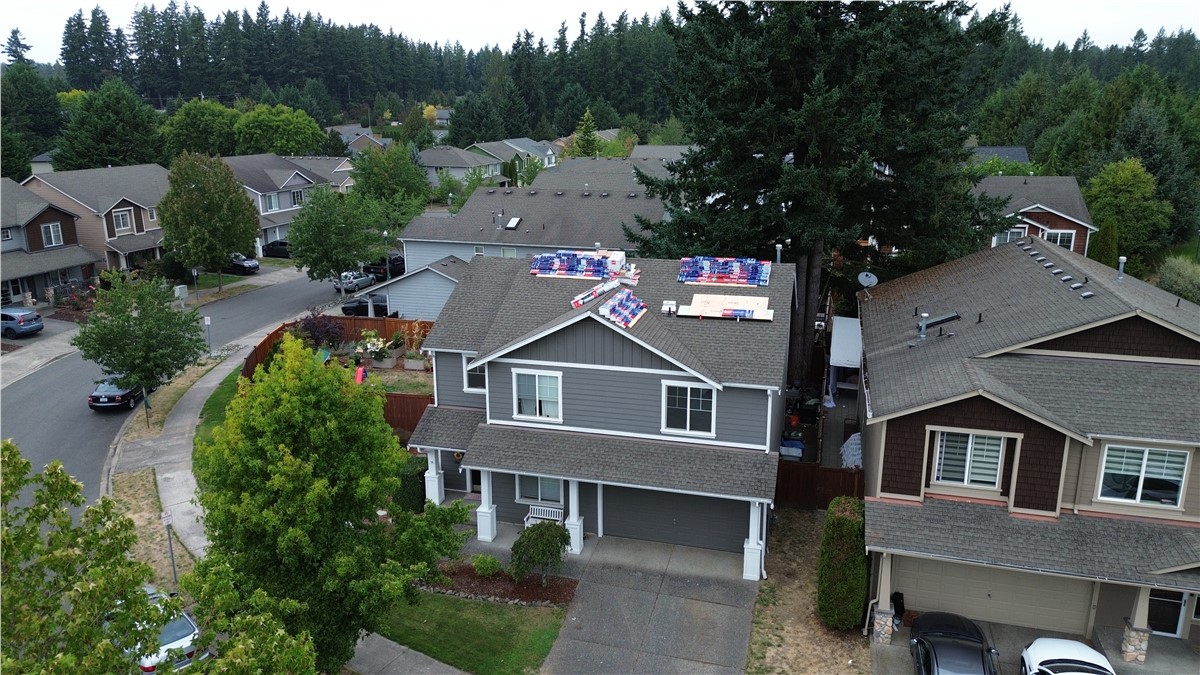
A simple walkable gable is not the same project as a steep roof with multiple valleys, dormers, skylights, chimneys, intersecting additions, or limited ground access. Complexity increases the number of cuts and transitions that must be detailed. It can also slow material handling and site protection. In dense Seattle neighborhoods, driveway width, landscaping, adjacent homes, overhead utilities, and limited staging space can affect how crews protect the property and move debris.
- Pitch: Steeper roofs require different safety and staging practices.
- Height: A two- or three-story eave increases access and material-handling complexity.
- Valleys and intersections: More transitions require additional material and flashing labor.
- Dormers, skylights, and chimneys: Each penetration creates detailing work.
- Limited staging: Urban lots can require more deliberate delivery, debris control, and landscaping protection.
- Specialty roofs: Low-slope areas or metal details may require different crews, materials, and installation methods.
Ventilation and Attic Insulation Can Affect the Scope
A replacement is an opportunity to evaluate how the roof and attic work together. Inadequate intake or exhaust ventilation can contribute to moisture problems. Insulation gaps can affect comfort and energy performance. The roof replacement proposal should identify whether ventilation changes are included and whether roof-cavity conditions warrant a separate attic insulation evaluation.
Code triggers can also matter. Seattle's re-roof guidance states that permit and energy-code requirements depend on building type and whether the building envelope, sheathing, or insulation is being changed. Bellevue similarly ties some roofing work to substrate and exposed-cavity conditions. A contractor should always verify the current rules for the exact address and scope rather than treating every Puget Sound jurisdiction the same.
Gutters, Fascia, and Drainage
A new roof should move water into a functioning drainage system. If gutters are undersized, separating from fascia, leaking at joints, or routinely overflowing, it may be more efficient to coordinate gutter replacement with roofing. This does not mean every roof project requires new gutters. It means the roof edge, fascia condition, gutter attachment, downspout routing, and water discharge should be evaluated together.
Repair Versus Replacement: When Does Repair Stop Making Financial Sense?
A roof repair can be the right financial decision when damage is isolated and the rest of the roofing system still has meaningful service life remaining. A missing shingle, localized flashing issue, or small leak does not automatically mean the entire roof needs to be replaced. However, the calculation changes when repairs become frequent, leaks appear in multiple areas, materials are nearing the end of their expected lifespan, or underlying moisture damage continues to develop.
Homeowners should consider more than the immediate price of a repair. Compare how much additional service life the repair is likely to provide, whether other sections of the roof are showing similar deterioration, and how much money has already been spent addressing recurring problems. In Seattle and throughout the Puget Sound region, prolonged moisture exposure, moss growth, wind-driven rain, aging flashing, and ventilation issues can cause problems to develop in more than one area of an older roofing system. At a certain point, continuing to repair individual failures may cost more over time than investing in a complete replacement.
If storm damage caused the problem, document the roof's condition before permanent repairs are made whenever it is safe to do so. Our storm damage team can help evaluate roofing damage, while our insurance claim information explains how State Roofing can assist with the documentation process. Insurance coverage and claim decisions are ultimately determined by the homeowner's policy and insurance carrier.
Permit Requirements Vary Across the Puget Sound Region
There is no single "Seattle-area" re-roof permit rule. Seattle, Tacoma, Everett, Marysville, Bellevue, and other cities administer their own requirements. Seattle publishes an exemption for certain re-roof work on one- and two-family homes and townhouses when building-envelope conditions are met. Tacoma publishes different guidance for same-type replacement versus adding another roof layer. Everett includes re-roof work in its residential permit materials. Marysville lists Residential Reroof as a permit type in its online portal. Bellevue publishes a residential roof-replacement exemption when repaired or replaced substrate is limited to five 4-by-8 sheets, with additional energy-code conditions depending on the exposed assembly.
Those examples show why permit assumptions belong in the written scope. Rules can change, and a project can fall outside a general exemption because of structural work, sheathing changes, insulation, building type, or other conditions. Confirm the current rule with the appropriate jurisdiction before work starts.
What Should Be Included in a Roof Replacement Quote?
- Measured roof scope and the exact roofing system or product line.
- Number of roof layers to be removed and disposal assumptions.
- Underlayment, starter, ridge, flashing, edge metal, and penetration details.
- Decking repair process, unit pricing, allowances, or included quantities.
- Ventilation changes, if any, and whether attic work is separate.
- Site protection for landscaping, siding, windows, driveways, and decks.
- Gutter removal, reset, or replacement responsibilities.
- Permit responsibility when a permit is required.
- Cleanup, magnetic sweep where appropriate, final review, and warranty documentation.
- Clear exclusions and the conditions that could create a change order.
How to Compare Roofing Estimates Without Choosing on Price Alone
Three proposals with three different totals may not describe the same roof. One could include full tear-off while another assumes a recover. One could include upgraded underlayment, ventilation, and flashing while another uses a more basic scope. One could have a defined decking allowance while another leaves the entire amount open. Normalize the proposals before comparing price.
Ask each contractor to identify product manufacturer and line, accessory system, ventilation plan, flashing scope, deck-repair process, project supervision, site protection, cleanup, permit responsibility, workmanship coverage, and manufacturer warranty eligibility. State Roofing & Exteriors is manufacturer-certified across major roofing brands, and our team can explain how a selected system fits the house rather than asking you to compare product names without context.
Roof Replacement FAQs
Why can two similar-size Seattle homes have very different roofing prices?
Living area does not equal roof area. Pitch, stories, attached garages, roof shape, dormers, access, layers, decking condition, material, ventilation, and flashing complexity can all change cost even when two houses have similar interior square footage.
Is metal roofing more expensive than composition roofing?
Metal usually has a higher upfront budget, but roof design and system choice create a very wide range. Compare lifecycle goals, maintenance, appearance, warranty, and project scope instead of upfront price alone.
Does homeowners insurance pay for roof replacement?
Insurance may cover sudden covered damage depending on the policy, cause, roof condition, deductible, exclusions, and insurer decision. It generally is not a substitute for replacing a roof that has simply aged. Review your policy and visit our insurance claims page for process information.
How do I get an exact roof replacement price?
The next step is an on-site evaluation and measured proposal. Use our contact page to request pricing. For service information, return to our roof replacement page.
Get a Site-Specific Roof Replacement Estimate
Market cost data is useful for planning, but it cannot tell you how many roof layers are on your house, whether the deck has hidden damage, how steep the slopes are, or which system best fits your goals. State Roofing & Exteriors can inspect the roof, document the scope, and explain the variables that affect your price. Request a free estimate when you are ready to move from a regional benchmark to a project-specific plan.